Why Rituals Matter at Work and at Home
Whether by accident or not, most of us have routines. The coffee we drink every morning. The weekly team meeting. The way we start the workday, end a project, or gather with family. But far too easily, routines can slip into background noise. We lose track of the why behind our movements. When we plug in, and make those ordinary moments intentional, a shift happens.
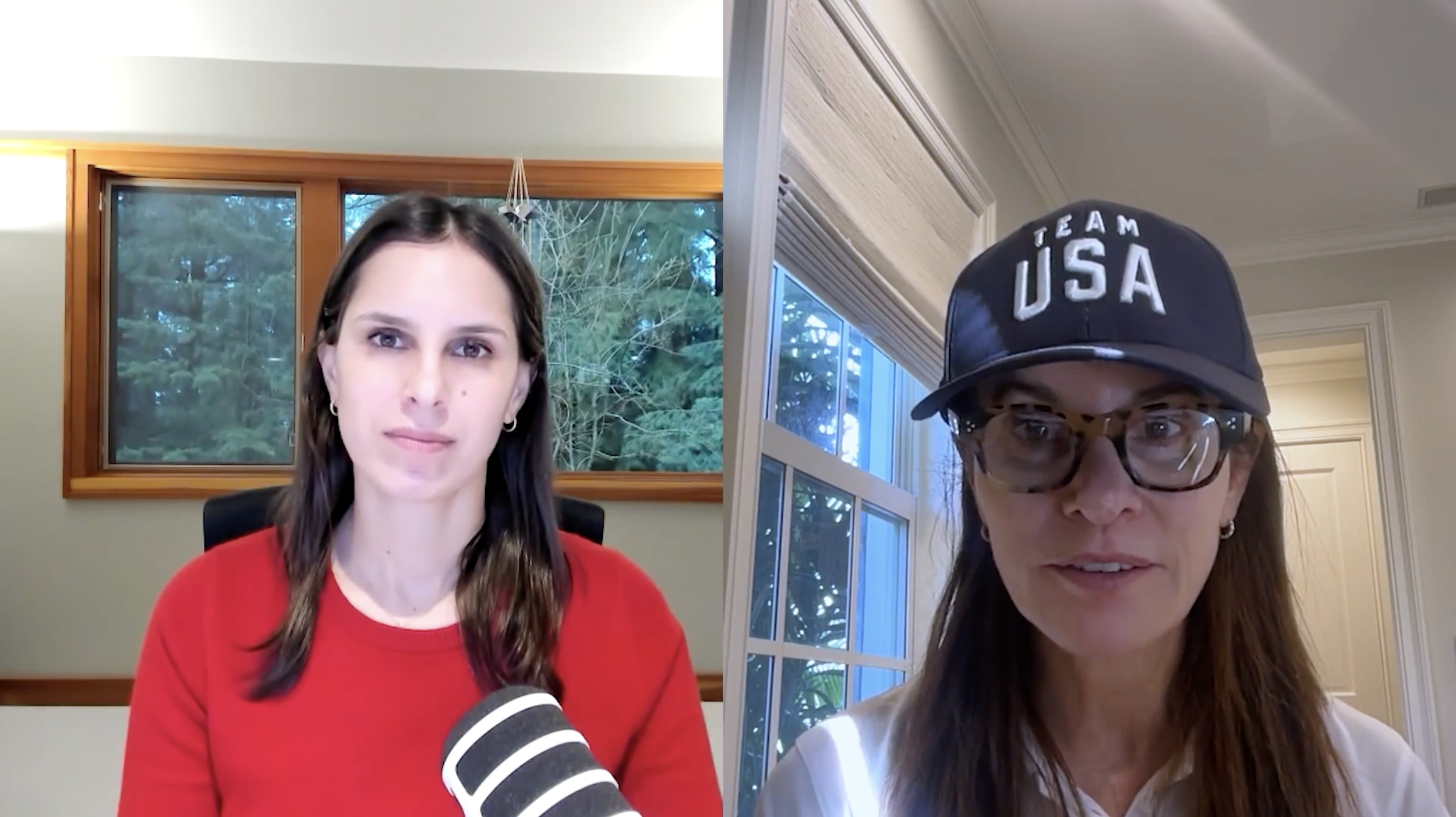
Erica Keswin has spent years studying that shift. A workplace strategist, speaker, and three-time bestselling author, Keswin helps organizations build human-centered cultures of connection. Her work has been featured in Forbes, Fast Company, and Harvard Business Review, and her research focuses on the rituals that foster belonging, productivity, and performance in a distracted, disconnected world.
To Erica, a ritual has meaning and intention. It happens with some kind of cadence, and it goes beyond its practical purpose. A candle lit because the power went out is just a candle. A candle lit every Friday at 5 p.m. to mark the end of the workweek becomes something else.
From Mindless to Mindful
Like many of us, one of Keswin’s rituals is her morning coffee. For years, it was part of the routine: get coffee, open her notebook, and start writing a to-do list. Then one day, she realized she had finished the cup without really tasting it. That realization changed the moment. She began slowing down, holding the cup, feeling the heat in her hands, taking a few breaths, and letting the coffee become a transition into the day. The activity stayed the same. The intention behind it changed.
That is what makes rituals so accessible: they don’t have to be elaborate or new. Often, they are already hiding inside the day. A morning drink. A walk outside. Opening the blinds before work. A standing lunch with a team. The question is less “What should I add?” and more “What do I already do that could mean more?”
Keswin often asks people: what do you do that makes you feel most like you? That question can be a shortcut to finding the rituals that already matter.
Rituals Build Connection
At work, rituals help teams feel more like teams. A weekly meeting that starts with a win, a gratitude prompt, or even a shared check-in feels different from one that jumps straight into tasks. The meeting may already exist, but the ritual gives it a sense of shared rhythm.
That said, rituals only work when they fit the group. Keswin shares the example of a LinkedIn team that once had a one-minute dance party at 3 p.m. before the pandemic. It worked for that team in that season. When they tried to bring it back later, it felt forced — so they moved on.
A ritual should act like a magnet, pulling people inward and enabling connection. If it has to be pushed too hard, it may not be the right ritual anymore.
The Business Case for Rituals
Rituals can sound soft until you look at what they create. Keswin describes the “three Ps” of rituals: psychological safety, purpose, and performance. When people feel connected to one another, engagement and job satisfaction improve, turnover decreases, and wellbeing rises. Plus, there’s a physiological component. Connection increases oxytocin, often described as a feel-good hormone, and lowers stress. That matters in workplaces where hybrid schedules, technology, and uncertainty have made connection harder to maintain.
This is why many companies are revisiting rituals now. People do not simply want to be called into an office. They want the time together to feel worth it. A commute followed by a day of Zoom meetings can quickly create frustration. As Keswin puts it, “The absence of intentionality is a recipe for resentment.”
Intentional rituals give people a reason to gather, connect, and feel part of something beyond their task list.
Beginnings and Endings Matter
Keswin sees beginnings and endings as “prime rituals real estate.” The start of a meeting. The end of a week. The first day of a new job. The close of a project. These transitions are natural places to add meaning because people are already moving from one state to another.
Onboarding is a prime example. The way someone is welcomed into an organization teaches them what the company values. Yet, off-boarding matters just as much. When someone leaves, how they are treated affects both that person and the people who remain. A thoughtful goodbye sends a message about trust and belonging. It can also extend the relationship. Former employees may become clients, partners, customers, or future hires. When companies treat endings as part of a larger cycle, work becomes more relational and less transactional.
Make Rituals Inclusive
Not every tradition deserves to become a ritual. Some teams realize that the things making them feel connected revolve mostly around happy hour, drinking, or events that happen after work. That can unintentionally leave people out.
Keswin encourages organizations to look at rituals through the lens of values and inclusion. Does this reflect who we say we are? Does it include the people we want to include? Would people miss it if it disappeared? Those questions reveal a lot. A ritual should strengthen culture, not quietly exclude part of it.
Rituals Reduce the Work of Deciding
One overlooked benefit of rituals is that they reduce decision fatigue. Taco Tuesday works because nobody has to wonder what’s for dinner. A monthly brunch with friends works because the plan is already familiar. A Friday dinner ritual works because the host can make the same meal, follow the same flow, and spend less time reinventing the evening. This is what makes rituals sustainable: they front-load the decision. Over time, the rhythm carries itself.
For families, that can be especially powerful. A ritual can be simple, flexible, and even a little chaotic — not always polished and consistent at all costs. The consistency is often what people remember.
Start Small and Let It Stick
The best place to begin is usually something you already do. Choose one ordinary moment and give it intention. Open the blinds before starting work. Take the first sip of coffee without multitasking. Start a meeting with one question. End the week with a short reflection. Step outside for sixty seconds before moving to the next thing. Then notice what happens.
A good ritual does not need to impress anyone. It needs to create meaning, connection, or transition. It should feel like something you would miss if it went away.
That is the quiet power of rituals: they take the time you are already spending and make it feel more human.
Listen to the Full Episode
🎧 Time Billionaires — Mindful Habits: Simple Rituals for Productivity & Connection with Erica Keswin
👉 Listen on Apple Podcasts
👉 Listen on Spotify
👉 Watch on YouTube
