How to Build Confidence, According to a Mindset Coach
Most people want more confidence. They want to feel sure of themselves, make decisions faster, handle pressure better, and stop spiraling every time something feels uncertain. But confidence is hard to access when your mind is full of “what ifs,” old mistakes, and pressure to get everything right.
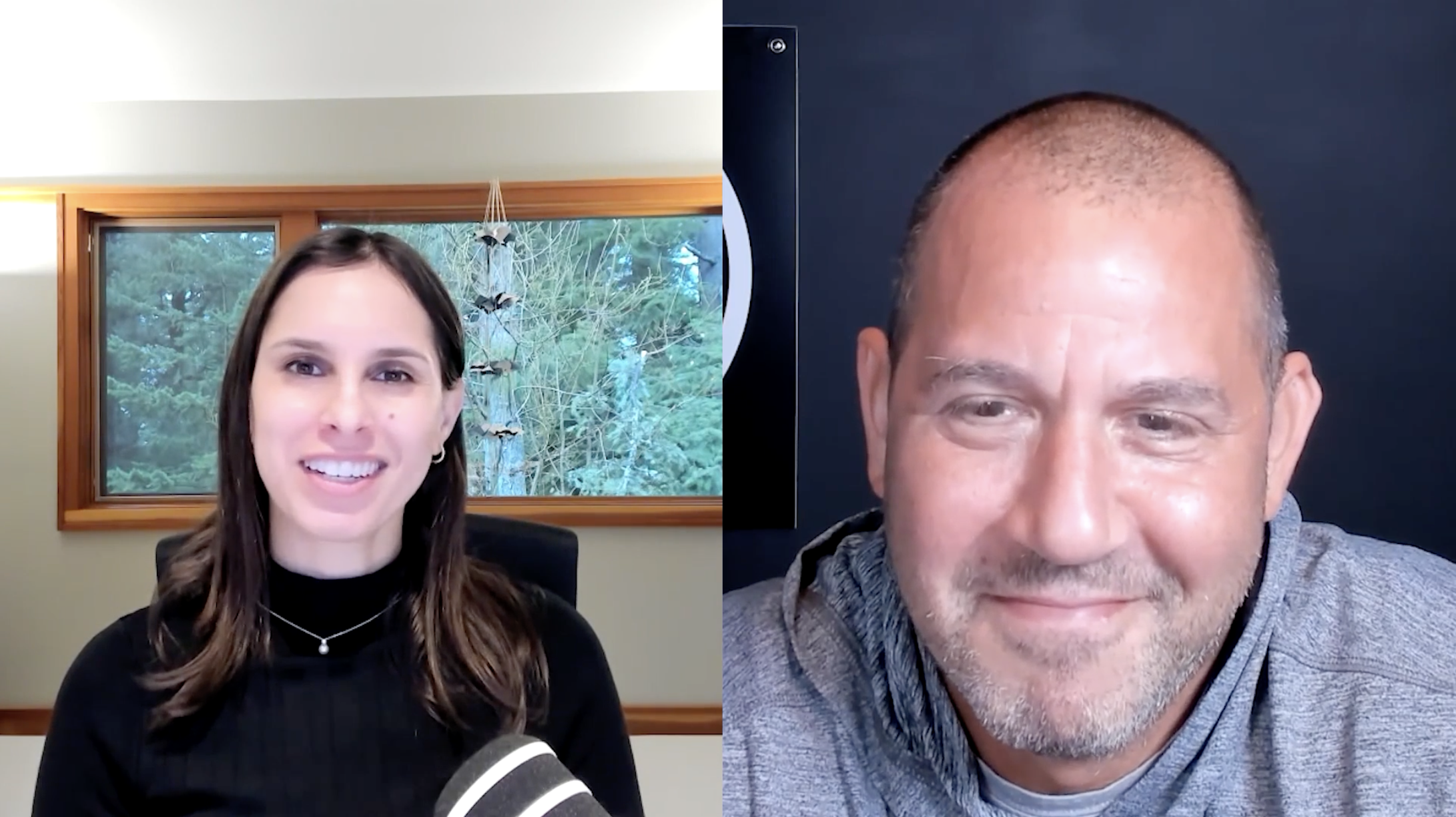
Sandy Cohan has spent the last 15 years helping high performers train their minds to work under pressure. An elite mindset architect, global keynote speaker, and two-time bestselling author, Sandy works with athletes, CEOs, and high-level performers on the mental toughness, clarity, and execution that separate strong performance from stalled potential. Before that, he had a decorated hockey career and spent more than a decade coaching NHL, NCAA, and elite athletes.
According to Sandy, confidence is what people see above the surface. Belief is what holds it up underneath.
Confidence Comes From Belief
Sandy uses the image of a tree to explain confidence. What you see above ground is confidence. What you don’t see, the roots below the surface, is belief. No roots, no tree. No belief, no confidence. That distinction matters because many people try to force confidence without building the belief that supports it. They try to convince themselves they can do something, even when it doesn’t feel true yet. Sandy sees a difference between convincing and reminding.
Convincing feels like trying to talk yourself into something. Reminding is different. It asks you to look back at real evidence: moments when you showed up, figured something out, recovered from a setback, or succeeded in a way that matters. That evidence becomes the root system.
Define Success Before You Chase It
A lot of anxiety comes from chasing something we haven’t clearly defined. People want to be successful, focused, confident, or resilient, but the target stays vague. And vague goals are hard to trust. Sandy sees this often with athletes and business leaders. Someone will know what isn’t working, but when asked what success actually means, they pause. That pause is important. It shows how difficult it is to build confidence around something you can’t name.
Specificity helps. If success means staying calm in the next meeting, finishing the next paragraph, making the next call, or taking the next shot, the mind has something to work with. Specifics create movement. They give belief somewhere to land.
The same is true for fear. General anxiety is hard to manage. A specific fear can be addressed.
Take “Don’t” Out of Your Internal Monologue
When people feel pressure, they often try to block out the bad thought. We tell ourselves: Don’t mess up. Don’t be nervous. Don’t hit the tree branch. But the brain doesn’t respond well to “don’t.”
Sandy shares a golf example. He had a clean shot toward the green with one tree branch in the way. His final thought was, “Don’t hit that tree branch.” Naturally, he hit it. That is how the brain works. Tell yourself not to think about something, and you’ve already put it in the center of your attention.
Sandy’s advice is to stop spending energy trying to block out what you don’t want. Focus works better when you lock in on what you do want. Not “don’t be slow,” but “be fast.” Not “don’t miss,” but “aim here.” Not “don’t be nervous,” but “breathe, reset, and take the next step.”
Play the Better “What If” Game
Most people know how to play the negative “what if” game. What if I fail? What if I mess up? What if this doesn’t work? Sandy suggests playing the other side just as seriously. What if it works out? What if this is better than expected? What if this is the decision that opens the next door?
Neither version is happening in the present moment. Both are imagined futures. So if the brain is going to rehearse a possibility, it might as well rehearse one that creates movement instead of paralysis. It’s not about pretending challenges don’t exist, but rather noticing when your mind is only giving airtime to the worst-case scenario, then consciously choosing to widen the frame.
Measure Gains, Not Gaps
When someone feels stuck, Sandy recommends a simple shift: measure gains, not gaps. Most people naturally look at how far they still have to go. The unfinished work. The next milestone. The gap between where they are and where they want to be.
But there is another way to look at the same moment. If you’re halfway up a mountain, you can look up and feel discouraged by how much is left. Or you can look back and recognize how far you’ve already climbed. Same position. Different focus.
That kind of reflection is evidence for you. It reminds you that progress has already happened, which makes the next step feel more possible.
Win the Next Minute
Sandy often brings people back to one phrase: right here, right now.
Anxiety tends to pull people into the future. Rumination pulls them into the past. Focus lives in the current moment. For those who Sandy coaches, the goal is to get narrow enough that you can win the next minute. That is useful because most people don’t need to solve their entire life in one sitting. They need to take the next clean action. Send the email. Make the call. Take the shot. Breathe before responding. Stand where their feet are.
His grandmother used to tell him, “You are where your feet are.” Over time, that idea became central to how he thinks about performance, relationships, and focus. The current moment is where action is available.
Now What?
One of Sandy’s favorite reframes is simple: now what? A mistake happens. Now what? A plan changes. Now what? You feel anxious, overwhelmed, or disappointed. Now what?
The question doesn’t erase the problem. It moves attention toward agency. Thoughts are just thoughts. They are not facts, predictions, or instructions. You can notice them without letting them decide the next move. That is the foundation of strong mindset work: not pretending things are easy, but remembering that the next action is still yours.
Confidence grows when belief has evidence. Focus improves when attention has a target. Momentum builds when you stop measuring only what’s missing and start recognizing what’s already been built. The next minute is small. That’s exactly why it works.
Listen to the Full Episode
🎧 Time Billionaires — “How Olympic Athletes Overcome Anxiety” with Sandy Cohan
👉 Listen on Apple Podcasts
👉 Listen on Spotify
👉 Watch on YouTube
