Build Real Connection Online: Ashley Faus from Atlassian on Showing Up like a Human
Most people blow up content creation to become too big in their minds. A post feels like it needs to be polished, original, useful, strategic, and perfectly timed. So instead of sharing anything, they wait until they have the perfect idea and a big enough block of time to do it right.
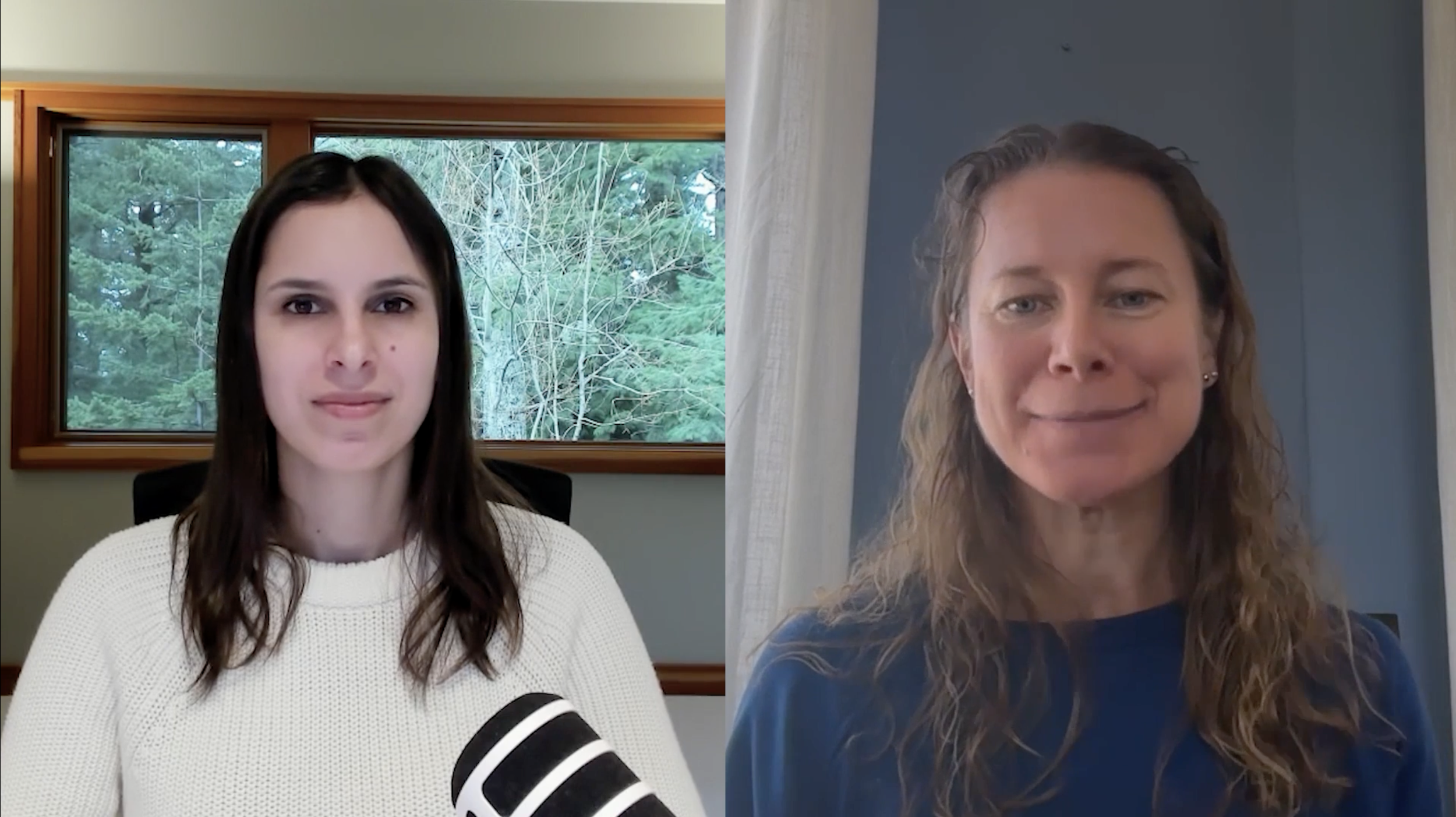
Ashley Faus sees it differently. As Head of Lifecycle Marketing at Atlassian and author of Human-Centered Marketing: How to Connect with Audiences in the Age of AI, Faus focuses on trust, community, and thoughtful communication in a world overloaded with content. Her work has appeared in Time, Forbes, and Harvard Business Review, and much of her perspective comes back to one simple idea: there is a human behind the screen.
Knowing this and putting it behind each output is a powerful move. Content isn’t a polished asset, but really a way to educate, entertain, and build relationships.
Content Is Bigger Than Posts
Faus has an expansive view of what counts as content. It is not only a 20-page ebook, a webinar, or a polished LinkedIn post. It is the thing you said in a meeting. The note you wrote on a whiteboard. The Slack message that helped someone understand a problem. The thoughtful comment you left on someone else’s post. That perspective lowers the barrier. Most people are already creating content all day, whether or not they recognize it.
Once you stop treating content as a formal production process, it becomes easier to notice the ideas already moving through your day. A question you answered. A conversation that clarified something. A point you made in a comment. These small moments can become the starting point for something useful to someone else.
Your Perspective Is the Value
One of the biggest blockers to sharing online is the fear that an idea is too basic, too obvious, or already said by someone else. Faus points to what’s often called the curse of knowledge: when you know something well, it can feel too simple to mention. But to someone who is newer to that topic, your “basic” insight may be exactly the thing that makes it click.
The idea doesn’t have to be brand new to be worth sharing. It has not been said by you, in your words, through your experience. That context matters.
Faus often frames her own advice by explaining where she’s coming from: working in enterprise SaaS, leading lifecycle marketing, operating inside a large company. That allows people to filter her point of view through their own context. The advice becomes more useful because the audience understands where it came from.
Comments Count as Content
One of Faus’ most practical ideas is also one of the simplest: comments count as content. Commenting is often the easiest entry point because it does not require starting from a blank page. Someone else has already opened the conversation. You are simply joining it.
That lowers the barrier for entry — it’s less about dropping links, pitching products, or turning every interaction into a sales moment. In fact, Faus is clear that if the goal is to find prospects and leave links, the point has already been missed. A good comment can be as simple as congratulating someone on a new role, adding a thoughtful reaction, sharing a related experience, or asking a real follow-up question. That is how relationships form in real life, and the same principle applies online.
Curate the Feed You Want
A lot of people complain that their LinkedIn feed feels irrelevant, sales-heavy, or noisy. Faus’ advice is to remember that the algorithm responds to behavior. If you follow someone, comment on their posts, react to their ideas, or engage with the people they engage with, the platform learns from that. Over time, your feed starts to reflect what you interact with most.
Curation is active. If you hear a podcast guest you like, find them on LinkedIn. If you meet someone at a conference, connect with them. If a colleague shares smart ideas, engage with those ideas. The feed improves when you give it better signals, and despite what many believe, it does not require hours of time. Five or ten minutes is enough to scroll intentionally, leave a few thoughtful comments, and reconnect with people you already want to know better.
Share Like a Person, Not a Brand
Part of what makes online connection work is that it feels human. Faus talks about the difference between using social media as a broadcast channel and using it the way people connect in real life. You would not walk into a meeting, greet someone, and immediately launch into a sales pitch. You would ask how they are, respond to what they said, congratulate them, or add to the conversation. LinkedIn works better when it follows those same norms.
That can feel uncomfortable for people who learned to treat professional platforms as curated versions of themselves. But overly polished content can make connection harder. People relate to context, hobbies, questions, struggles, books, lessons, and small observations. Sharing from your human place is what builds trust.
One Post Isn’t Your End-All, Be-All
Another common fear is that a post will flop. The idea won’t land. The engagement won’t show up. People will scroll past it. Faus is direct about this: one post underperforming does not mean the idea is bad, and it definitely does not mean you are bad at creating.
Sometimes the timing is off. Sometimes the articulation needs work. Sometimes the audience is not ready for that topic. And sometimes the algorithm simply does what algorithms do. A single post is data, not a verdict. That makes it easier to keep sharing. If the idea matters, try it again in another format. Expand a comment into a post. Reframe it with a story. Add context. Say it in a way only you would say it.
Two Prompts to Start
For someone who wants to build connection online but has limited time, Faus offers two simple prompts:
A question I asked today.
A question I answered today.
That’s enough.
A question from a colleague can become a post about how you think through a problem. A question from a friend can become a reflection on time, work, family, or decision-making. A question you asked can reveal curiosity, context, and the way you’re learning. The point is to begin with what is already happening.
At the end of the day, sometimes content starts with a small exchange that other people recognize themselves in — nothing more than that.
Just Start
Faus’ final advice is simple: just start. Start by commenting. Start by connecting with people whose ideas you already respect. Start by turning one helpful answer into a post. Start by sharing something you learned, noticed, or questioned.
The fear of being cringe, unoriginal, or ignored keeps a lot of people silent. But connection is built through repetition, not perfection. The more you show up like a human, the more human the platform becomes.
Listen to the Full Episode
🎧 Time Billionaires — “5-Minute Content Breaks: Quick & Impactful Engagement” with Ashley Faus
👉 Listen on Apple Podcasts
👉 Listen on Spotify
👉 Watch on YouTube
