How Small Decisions about Time Shape Long-Term Success
Time is easy to spend and hard to recover. Through experience, Marissa Morrison has learned that managing it well has less to do with productivity and more to do with intention.
As Vice President of People at ZipRecruiter, Marissa has spent her career helping leaders build sustainable, high-performing workplaces. Along the way, she’s also had to rethink her own relationship with time, energy, and ambition. What changed her perspective wasn’t a single system or tool. It was the realization that saying yes too often had quietly become a habit, one that led to burnout, packed schedules, and less presence where it mattered most.
“The more experience I have in life,” Marissa explains, “the more I realize how time is our most precious asset.”
Why Saying No Matters More Than Saying Yes
Early in her career, Marissa equated opportunity with taking on more. It didn’t take long to come face-to-face with the cost. Full calendars left little room to think, recover, or enjoy the work she cared about most. The shift came when she started paying attention to what she was protecting, not just what she was accepting. Being intentional about time meant slowing down and deciding where energy actually belonged.
That intentionality shows up in how she plans her days. Rather than long to-do lists, Marissa limits herself to a short set of priorities, both personal and professional. Some days, that list is just one meaningful task in each category. Those boundaries help prevent a common trap: filling newly freed time with more obligations. Instead, they create space for what matters in the current season of life.
Building Systems That Support Clarity
Marissa is a strong believer in systems. Without them, days and weeks tend to fill themselves.
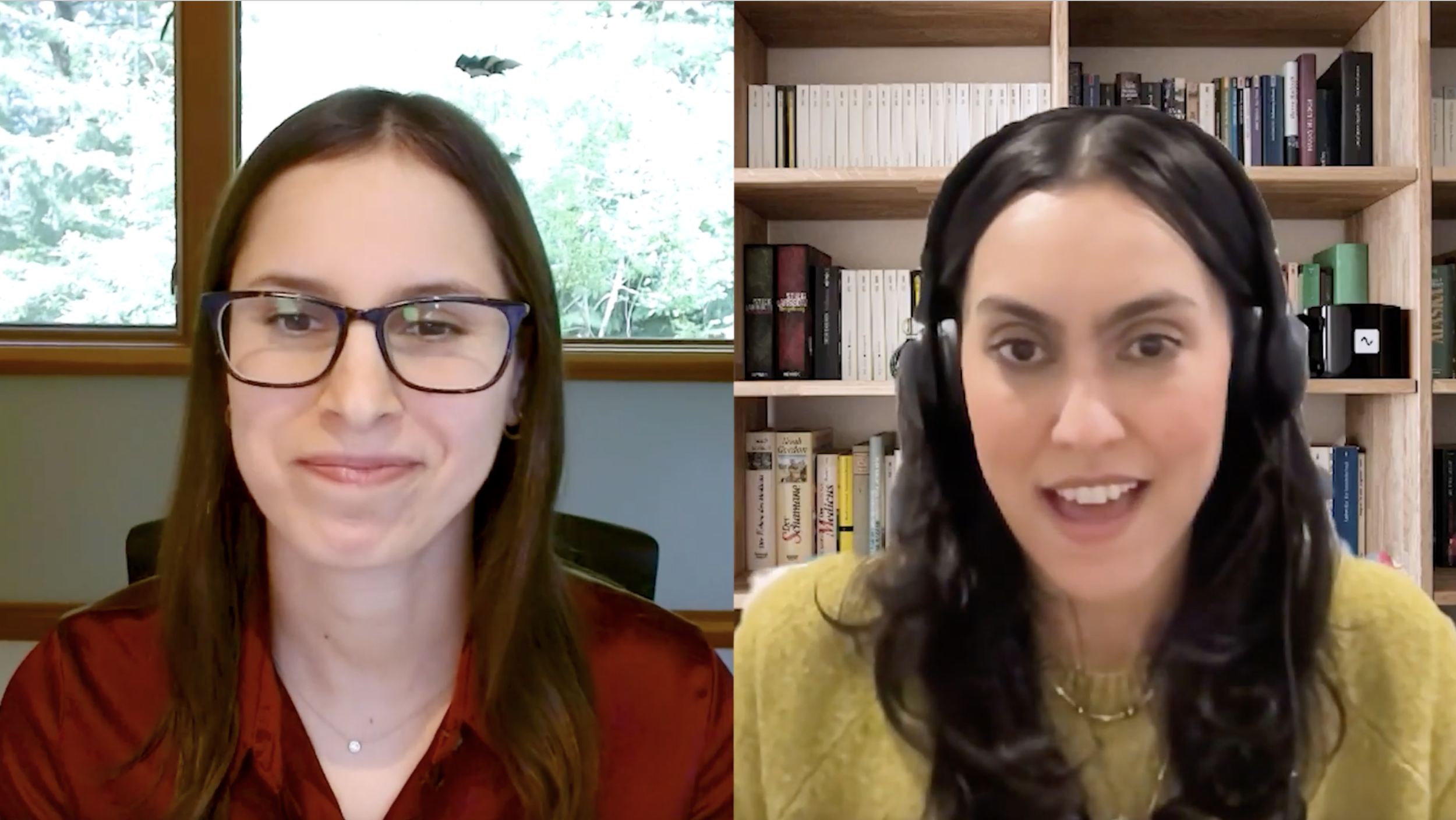
On a small scale, she plans daily priorities. On a larger scale, she checks in monthly on what deserves focus. And at work, she encourages clarity through frequent alignment with managers on what success actually looks like. One simple practice she recommends is sending a weekly note to a manager outlining milestones reached, areas where help is needed, and priorities for the coming week. That clarity reduces guesswork and keeps effort pointed in the right direction.
The same thinking applies outside of work.
A Simple Filter for Energy and Commitments
If more people managed their personal lives in conjunction with their professional ones, perhaps there would be a better overall sense of fulfillment. But the trick is understanding how to manage both. For personal commitments, Marissa created a simple framework that helps her decide what to say yes to without overthinking every invitation. Over time, she noticed clear patterns in how different people and activities affected her energy, and she built a system that reflects those patterns.
She sorts commitments into three categories: “hell yes,” “situational,” and “pause.”
“Hell yes” includes people and activities that consistently feel energizing. “Situational” commitments depend on capacity and season. The final category, “pause,” signals experiences that tend to leave her depleted and deserve more consideration before saying yes.
The framework isn’t rigid. It’s a reference point that helps her slow down decision-making and trust what past experience has already shown her. The result is fewer automatic yeses and more enjoyment in the ones she chooses, allowing her to spend time and energy where it matters most.
Writing, Stillness, and Self-Awareness
Organizing thoughts and having an internal compass to guide these choices is one thing. But there’s another practice that has shaped her leadership just as much as any planning system: writing.
It’s well-documented that writing is a positive neurological experience, improving memory retention, sensory processing, and cognition. Marissa pulls this practice in, encouraging people to spend more time in the stillness writing offers, especially through journaling. Writing creates a record of how situations feel, not just what happened. Over time, those reflections reveal patterns about where energy is gained and lost.
For years, Marissa wrote at the end of her workday before heading home. That habit helped her identify which parts of her role energized her and which quietly drained her.
She also recommends a simple reflection after meetings or events: choose one word that captures how the experience felt. That single word often says more than pages of notes.
Progress Comes from Curiosity, Not Perfection
Even with systems in place, it’s clear that missteps still happen. Like many of us, Marissa catches herself committing to things she later wishes she’d declined. Other times, she says no and later wonders what she missed. Her advice is to treat those moments as data, not mistakes.
“Feelings are clues,” she says. When something feels off, it’s usually a sign worth paying attention to. Checking in often allows small course corrections before burnout sets in. Rather than aiming for balance as a fixed destination, Marissa frames it as an ongoing process shaped by seasons, energy, and self-awareness.
Small decisions compound. A few minutes of reflection can change how a day feels. Over time, those choices shape how years are spent.
Listen to the Full Episode
🎧 Time Billionaires, "Rethinking Time and Balance: Marissa Morrison of ZipRecruiter on Intentional Time Use” — Part 1 & 2
👉 Listen on Apple Podcasts
👉 Listen on Spotify
👉 Watch on YouTube
