How “Yes, And” Thinking Fuels Creativity, Collaboration, and Leadership
What if the biggest blocker to creativity at work isn’t lack of talent, time, or tools, but in the way we listen?
For Holly Mandel, professor of improv and founder of Emergence, creativity doesn’t start with brainstorming harder or preparing more, but instead starts with presence, with listening differently, and with two deceptively simple words: yes, and…
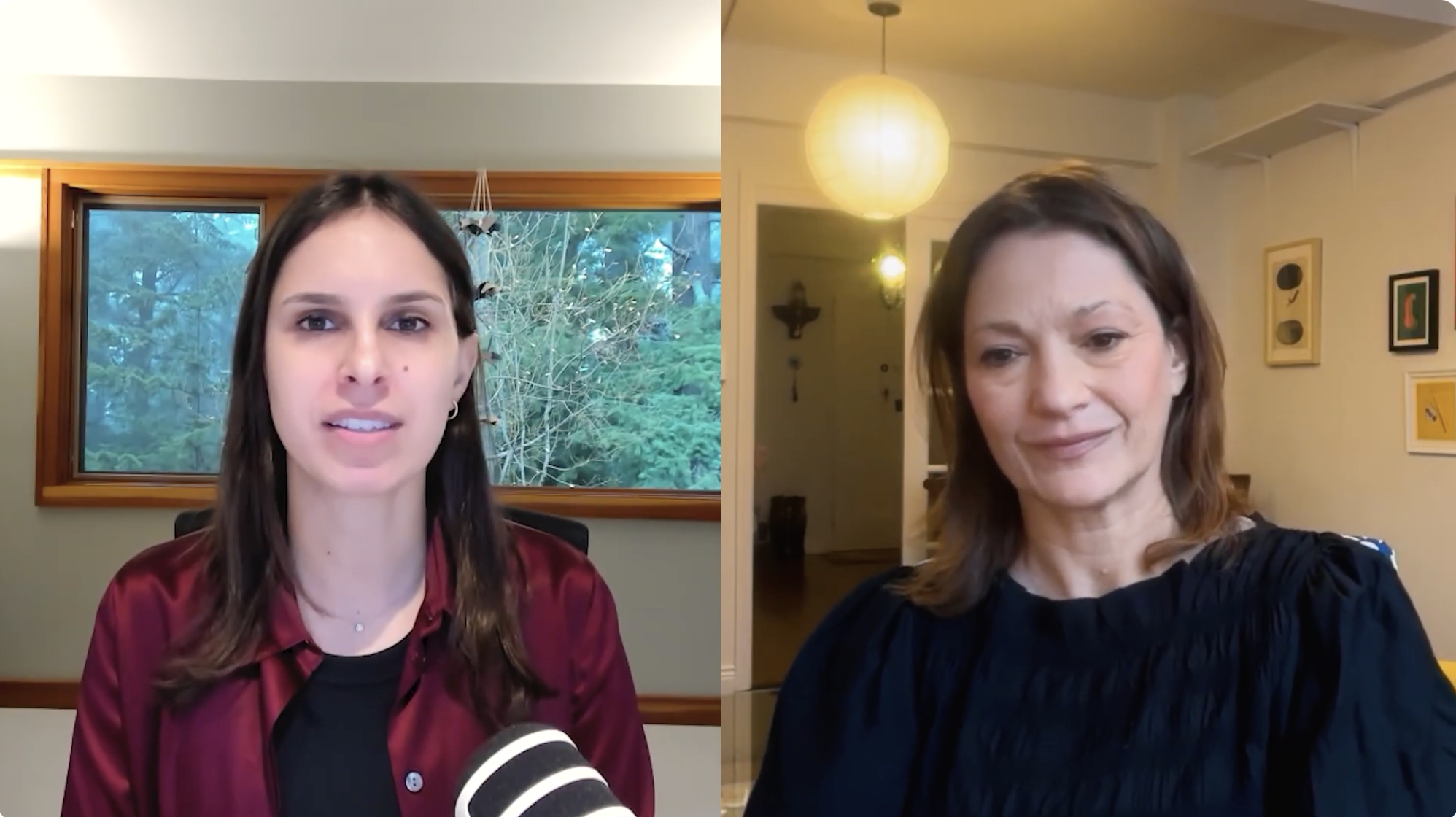
In conversation with Rebecca Shaddix on the Time Billionaires podcast, Holly explains how improv principles, often misunderstood as performance techniques, are some of the most practical tools for better collaboration, decision-making, and leadership.
Improv Isn’t About Being Funny
Improv actors don’t succeed because they’re quick-witted or fearless. They succeed because they’ve trained themselves not to cling to a plan. “We like to be prepared,” Holly explains, “but we aren’t married to the plan.” That distinction matters. Over-planning often shows up as overthinking — rehearsing responses, scanning for mistakes, trying to control outcomes before they happen. In work environments, it can make people guarded, hesitant, or overly polished. In improv, it shuts scenes down entirely.
Improv replaces that instinct with something else: trust in what’s happening right now. Not blind trust. Not agreement at all costs. But a willingness to engage with what’s been offered and build forward from there.
What “Yes, And” Really Means
“Yes, and” is often misunderstood as forced positivity or avoiding disagreement. It’s neither. “Yes” means acknowledging the shared reality in front of you. “And” means contributing something of your own. Together, they create momentum.
Instead of listening for flaws, you listen for what works. You find one idea worth building on. You respond in a way that moves the conversation somewhere new. Conversations stop circling familiar ground. Collaboration becomes co-creation. Innovation becomes possible because people aren’t protecting territory. As Holly puts it: “If I stay in what I already know, nothing new happens.”
Presence Is the Foundation of Creativity
Most people aren’t fully present in conversations. They’re replaying what just happened, anticipating what’s next, or preparing their response before the other person finishes speaking. That divided attention shows up as stress, missed cues, and shallow connection.
Improv interrupts that pattern by necessity. You can’t plan your way through an unscripted scene. You have to notice what’s actually happening. When people feel safe and engaged, they move out of fight-or-flight mode and into a more flexible, creative state. Awareness expands. Adaptability increases. Confidence becomes steadier rather than performative — and creativity follows naturally.
The Hidden Cost of Over-Control
Many high-performing professionals struggle with improv for the same reason they struggle with uncertainty at work: they’ve been rewarded for getting it right. Improv removes that scoreboard. There is no perfect move, no correct answer, no grade to earn.
At first, that can feel destabilizing. Over time, people stop trying to do everything themselves. They begin trusting the group instead of competing for airtime. That shift mirrors what research has shown repeatedly: teams that collaborate, share credit, and build psychological safety outperform collections of individual high performers. Improv doesn’t teach that intellectually, but rather makes it experiential.
Confidence Without Performance
One of the most unexpected benefits of improv is how it reshapes confidence. Instead of loud confidence or dominance, it’s permission. Permission to take up space, offer ideas that aren’t fully formed, and trust that contribution itself has value.
Holly sees this most clearly with women, who are often socialized to support rather than initiate. Improv gently disrupts that pattern by asking participants not only to agree, but to add. Over time, people internalize a steadier belief: I belong here. That confidence holds under pressure and shows up far beyond the stage — in meetings, negotiations, and leadership moments.
A Five-Minute Practice Anyone Can Use
You don’t need an improv class to start applying these ideas. Holly suggests beginning with a micro-practice that fits into everyday work:
Notice how often you say “but” — in meetings, emails, or feedback. Replace it with “and.” Listen for one thing you genuinely agree with before responding, then build from there. This small shift changes how conversations feel on both sides. People feel heard. Trust forms faster. Resistance softens.
Another simple practice: choose one quality you want to embody, like calm, boldness, generosity, clarity. Spend five minutes a day intentionally accessing that feeling. Not forcing it. Just noticing where it already exists. What you put your attention on tends to grow.
Creativity as a Leadership Skill
Improv reframes creativity as something far more practical than inspiration or originality. It’s the ability to stay open, respond rather than react, and collaborate without control. In a world of constant change, those skills matter more than ever.
If a few minutes of intentional presence can change how people connect, imagine what happens when it becomes a habit. Creativity doesn’t require more pressure. It requires a different relationship to uncertainty, rooted in trust, attention, and the willingness to say yes to what’s unfolding.
Listen to the Full Episode
👉 Listen on Apple Podcasts
👉 Listen on Spotify
👉 Watch on YouTube
