What’s Happening in Your Body When You Lose Focus, and How to Adjust
Losing focus is often treated like a personal failure. We assume it means we’re undisciplined, unmotivated, or doing something wrong. But according to neuroscientist Oren Shai, what’s actually happening is far more ordinary and far more human.
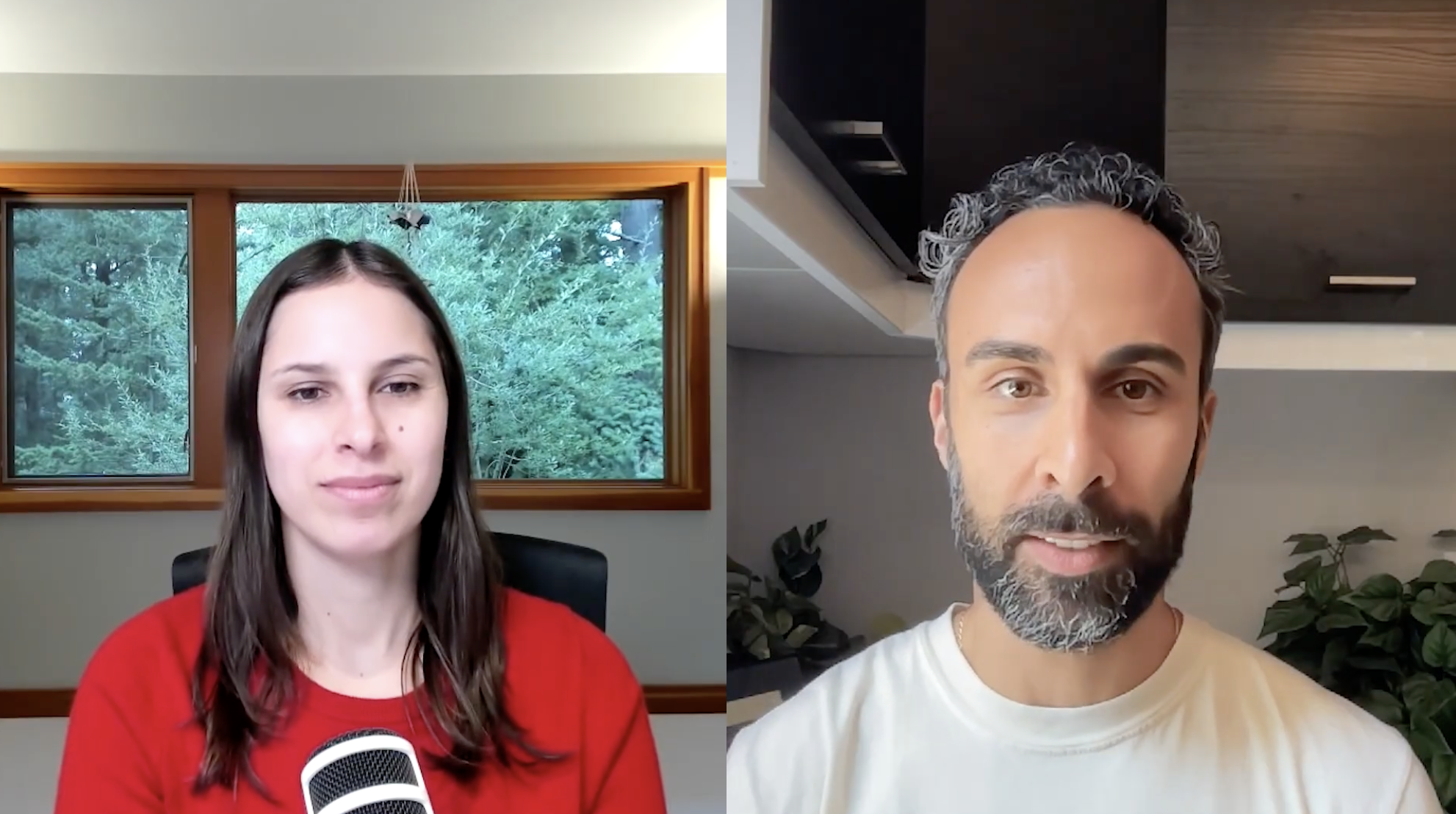
Oren is a somatic practitioner and nervous-system educator who works with individuals and organizations to understand how physiology, stress, and performance intersect. Much of his work centers on helping people notice what their bodies are doing under pressure, rather than trying to override those signals with willpower. In a conversation on the Time Billionaires podcast, he explains that fluctuations in focus, energy, and clarity are not signs of weakness. They are signals from the nervous system. And when we learn to respond to those signals with curiosity instead of pressure, focus becomes easier to access, not harder.
Focus Isn’t Constant Because Humans Aren’t Machines
One of the biggest misunderstandings about productivity is the expectation of consistency. Many of us believe we should be able to show up with the same energy and attention at any hour of the day, regardless of what’s happening in our bodies or our lives. But human beings don’t operate that way.
Our energy moves in cycles. Daily circadian rhythms, seasonal changes, hormonal shifts, sleep quality, stress, and life circumstances all influence how we feel and how well we can concentrate. Oren often uses the image of a wave to describe this reality. There are natural upswings and downswings, and neither one is a problem on its own. Fighting those fluctuations, however, tends to create tension and shame. The more we resist the fact that we’re tired, distracted, or low-energy, the harder it becomes to move through it.
When we recognize where we are on the wave and respond accordingly, the downswing passes more quickly. When we insist we shouldn’t be there, we often prolong it.
Why Losing Focus Often Triggers Stress
When focus drops, many people respond by pushing harder. We search for explanations. We blame ourselves. We try to force productivity back into place. Physiologically, that response can make things worse.
Extended screen time narrows our field of vision. When our eyes stay fixed forward for long periods, the nervous system can interpret that lack of movement as potential threat. The body responds with subtle stress activation. Muscles tighten. Breathing becomes shallow. Attention fragments.
At the same time, modern work environments often keep us seated and still for hours. Blood flow slows. Sensory input narrows. The nervous system stays alert without relief. Over time, this combination makes sustained focus more difficult. What feels like mental distraction is often the body asking for movement, variation, or rest.
Presence Is a Nervous System Skill
One of the most effective ways to restore focus is also one of the simplest: presence. Not the aspirational kind, but the physical kind.
Presence means noticing what’s actually happening in the body. Are you tense? Slouched? Holding your breath? Staring at a screen without blinking? These cues matter because the nervous system responds to them immediately.
Oren emphasizes that tools only work when they’re used with the right intention. Practices meant to support the body can backfire if they’re used to suppress or override what we’re feeling. The goal isn’t to eliminate discomfort on demand. It’s to meet reality first and then support the body from there. That shift alone often reduces the stress response and makes it easier to re-engage.
Small Physical Resets Can Have Outsized Impact
You don’t need long breaks or elaborate routines to support your nervous system. Short, intentional interruptions throughout the day can make a meaningful difference.
One of the most accessible resets is changing how the eyes move. Standing up and letting your gaze wander. Looking out a window. Scanning the horizon. Even a few seconds of visual movement can help the nervous system downshift. Gentle movement helps as well. Walking, stretching, or simply standing and shifting position encourages blood flow and sensory input. These actions signal safety to the body and reduce the background stress that interferes with focus.
Breathing plays a role too. Shallow chest breathing tends to maintain a state of alertness. Slower, deeper breathing into the belly supports the parasympathetic nervous system — often referred to as rest and digest — which allows for clearer thinking, creativity, and emotional regulation.
Switching Out of Fight-or-Flight Before You Perform
One of the most useful insights from Oren’s work is that regulation isn’t one-size-fits-all. The right practice depends on your starting point.
If you’re overstimulated, grounding and slowing can help. If you’re depleted or foggy, gentle activation may be more supportive. Preparing for a performance doesn’t always mean calming down. Sometimes it means allowing excitement or energy to move through the body so it doesn’t get stuck.
Learning to distinguish between these states takes experimentation. Over time, people become more intuitive about what their bodies need in a given moment. That awareness makes it easier to prepare for meetings, presentations, and demanding conversations without forcing yourself into an artificial state.
Self-Compassion Improves Focus
Much of our stress around productivity comes from treating ourselves like machines. We expect output without accounting for recovery. We chase future relief, assuming we’ll feel better once we accomplish the next thing.
Oren challenges that assumption. Success, he explains, isn’t a finish line where discomfort disappears. It’s an ongoing relationship with ourselves. When we disconnect from our bodies in pursuit of achievement, we often rely on caffeine, adrenaline, and pressure to keep going. That strategy can work temporarily, but it increases long-term strain.
Focus improves when we stop fighting our humanity and start working with it. Curiosity replaces judgment. Presence replaces force. The nervous system gets the support it needs to do what it already knows how to do.
Focus Returns When the Body Feels Safe Enough
The most important takeaway is this: the ability to focus isn’t something you need to earn. It’s something that emerges when the body feels supported.
When we give ourselves permission to move, breathe, rest, and respond to our internal signals, we free up energy that would otherwise be spent on resistance. That energy becomes available for thinking, creating, and performing.
The way you want to feel is often on the other side of what you’re avoiding feeling right now. When you allow a little more room for that experience, focus has a way of finding you again.
Listen to the Full Episode
🎧 Time Billionaires, "What’s Actually Going On in Your Body When You ‘Lose Focus’?” with Oren Shai — Part 1
🎧 Time Billionaires, “How to Switch Out of Fight-or-Flight When You Need to Perform” with Oren Shai — Part 2
👉 Listen on Apple Podcasts
👉 Listen on Spotify
👉 Watch on YouTube
