How to Find Hidden Time in Your Day: Jo Amato from Microsoft on Using AI and Self-Awareness to Stay Grounded
Between meetings, family responsibilities, and the constant pull of digital work, it’s easy to move through the day reacting instead of choosing. Many of us react as though the challenge is about managing time. But when you zoom out, the picture is much larger: it’s managing attention, energy, and expectations at the same time.
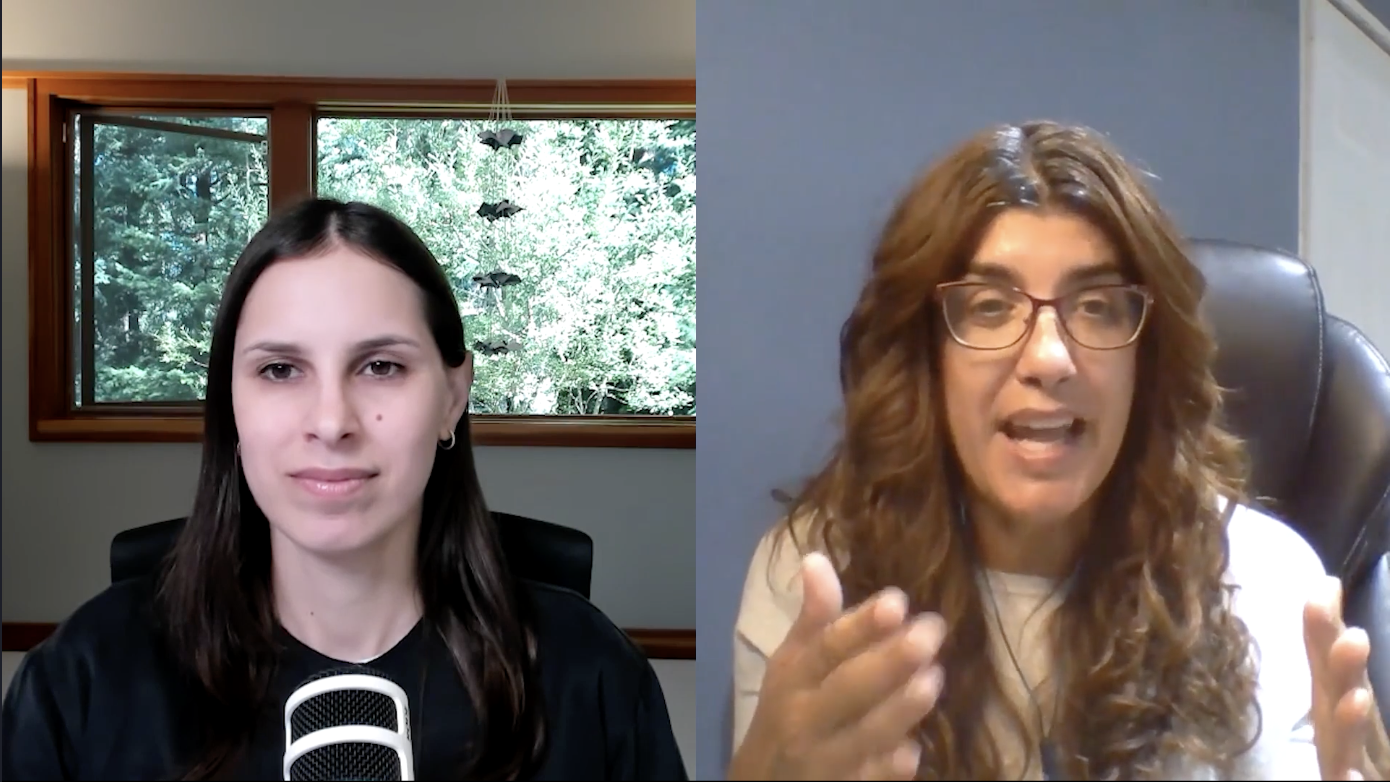
Jo Amato knows that tension well. As a technology executive with more than 20 years of experience from Microsoft, Teradata, and Ernst & Young, she’s spent her career leading teams, now raising three teenagers. Today, she operates at the intersection of leadership, technology, and real life, constantly balancing high-performance work with the demands of home.
Her approach is practical: Stay grounded. Use tools intentionally. And accept that balance doesn’t mean doing everything at once.
Start with Grounding, Not Productivity
Before tackling a full day, Amato focuses on something simple: returning to center, and grounding herself.
For her, that looks like a short daily yoga practice, not for fitness but for connection. Even a few minutes of movement helps her reset and start the day with clarity. It creates a baseline she can return to when distractions inevitably show up.
That foundation matters more than any productivity system. When attention is constantly pulled in different directions, having a way to come back to center makes everything else easier to manage.
It’s less about doing more, and more about staying steady while doing it.
Use AI as a Thinking Partner
Amato has also been experimenting with a different kind of support: AI.
Instead of treating it as a novelty, she uses it to reduce cognitive load. Tasks that used to take 20 or 30 minutes—summarizing notes, organizing ideas, drafting outlines—can now be compressed. More importantly, it helps her get out of her own head.
One of the most effective uses is simple. She talks through her thoughts, then uses AI to reflect them back in a structured way. Seeing those ideas externally makes it easier to identify what actually matters and what doesn’t.
That clarity speeds up decision-making. It also frees up time that can be reinvested elsewhere.
She compares it to investing. When used well, the return compounds. A few minutes spent organizing thinking can create pockets of time that didn’t exist before.
Let Go of What Doesn’t Serve You
Clarity creates another advantage: it becomes easier to let things go.
When ideas stay in your head, everything feels equally important. Once they’re visible, patterns emerge. Some thoughts support what you’re trying to do, but others are frankly just noise. Amato describes this as one of the biggest benefits of using AI as a mirror. It removes some of the emotion from decision-making. Instead of debating internally, you can quickly recognize what aligns and what doesn’t.
That ability to filter matters in a busy life. Not everything deserves your attention.
You Don’t Have to Be Excellent at Everything Every Week
One of the most practical shifts Amato emphasizes is permission. The expectation that you can perform at your highest level across every part of your life at all times is unrealistic. Work, family, health, relationships. They don’t all peak simultaneously.
Some weeks are work-heavy. Others are family-focused. The goal isn’t perfect balance in a single day. It’s intentional balance over time. “You should feel fine being good at work this week,” she explains, “and not having to be excellent every week.”
Naming that reality changes how you operate. It reduces pressure. It also makes it easier to communicate expectations with the people around you.
Make Your Time Visible
One of the most effective ways to reduce friction is simply to say what’s happening. When you communicate that a week will be work-intensive, others can adjust. When you acknowledge lower energy or competing priorities, it creates space for support. Without that clarity, people are left guessing.
This applies at work as well. Simple check-ins, even a one-word signal of energy or focus, can help teams function more effectively. It removes unnecessary friction and helps redistribute effort when needed.
This idea might be contradictory to how many of us have operated in the past. Most people don’t feel exactly comfortable calling that out, especially in a work environment where there is pressure — whether tangible or not — to perform always. But Jo believes that calling this out makes it easier to accept help.
For many high performers, that’s the hardest part.
Find Small Wins in Small Moments
Even in a full schedule, there are small gaps. A few minutes between meetings. A short break in the afternoon. Time that often gets filled automatically. Jo’s approach isn’t to optimize every second, but rather to use those moments more intentionally.
Importantly, we must make time for reflection in these moments. Sometimes that means doing nothing. Pausing, resetting, letting your thoughts settle. Other times it’s using tools to create space, then choosing how to spend it more deliberately.
Over time, those small shifts add up. A few minutes reclaimed here and there can change how a day feels.
A More Sustainable Way to Work and Live
There isn’t a single system that solves time management. What Amato offers is a set of principles.
Ground yourself before the day pulls you in different directions. Use tools to reduce mental load, not increase it. Let go of what doesn’t serve you. Accept that balance changes week to week. And communicate clearly enough that others can support you. None of these require a complete overhaul. They’re small adjustments in how you think about time and energy.
In doing so, you create the balance and sustainability that it takes to grow and be more intentional in your life.
Listen to the Full Episode
🎧 Time Billionaires — “How to Find Hidden Time in Your Day with Jo Amato”
👉 Listen on Apple Podcasts
👉 Listen on Spotify
👉 Watch on YouTube
